








2025.11.14
Industry Trends
Find Out What Size Air Compressor is Best for You
“Selecting the right air compressor size is critical to ensuring your tasks are performed efficiently and effectively. Choosing the right air compressor sizes will greatly affect your output and expenses when it comes to industrial purposes.An oversized compressor can waste energy, while an undersized one may fail to provide enough power for your tools and machines
This guide will help you determine the best air compressor size based on factors like air pressure, flow rate, and your specific applications. From understanding air compressor tank sizes to choosing the right air compressor pipe sizes and fittings, we’ll cover everything you need to know.
So, let’s get in and find out what size air compressor is best for you!
Key Factors in Air Compressor Sizing
Here are some key points to consider when choosing an air compressor: air pressure, airflow, and power source are the main factors that determine which model is most suitable.
To help make the right decision, we will highlight some of the most critical factors to consider.
Air Pressure (MPa (G), MPa (abs))
Understanding air pressure units is essential for comparing compressors. Most commonly, MPa refers to MPa (G) (gauge pressure), which measures pressure above atmospheric levels. MPa (abs) (absolute pressure) includes atmospheric pressure
For everyday use:
- ・Automotive repair shops typically operate at 0.6–0.7 MPa.
- ・Industrial manufacturing processes may need 0.6–1.0 MPa.
- ・Sandblasting requires 0.6–0.8 MPa with consistent delivery to maintain quality results.
When selecting an air compressor, it’s important to ensure that the system maintains pressure under load, not just peak MPa, so your tools run reliably.
Air Flow (CFM or FAD)
So, first let’s understand what is CFM in an air compressor? CFM refers to the measure of Cubic Feet per Minute, which indicates how much air a compressor can deliver in one minute at a specific pressure level. CFM (Cubic Feet per Minute) or FAD (Free Air Delivery) indicates how much air the compressor can deliver. This is often the most critical metric when determining whether a compressor can handle one tool or multiple manufacturing machines at the same time.
For intermittent-use tools like brad nailers or airbrushes, a low CFM is usually sufficient, making small compressors ideal for these tasks. However, for continuous-use applications like sandblasting, grinding,industrial painting or other industrial machines, you’ll need a compressor that can maintain high airflow without losing pressure.
Understanding the duty cycle, the frequency and duration of air required, helps match the right CFM rating to your needs. A higher CFM is necessary to prevent pressure drops and maintain production performance.
Application-Specific Considerations
Different industries and tasks have certain requirements, which determine the type of air compressor you should purchase.Here are some of the popular uses:
- ・Spray Painting: So, So, what size air compressor would you need for painting? Basically, a steady low pressure air with medium level of CFM in order to eliminate defects on paint finish.
- ・CNC Machines: They also need a very dry and constant airflow in order to prevent contamination of precision components.
- ・Sandblasting: Needs high pressure and very high CFM for consistent performance. Even a slight pressure dip can lead to uneven blasting.
You also need to consider air treatment components like dryers, filters, and regulators, which cause a pressure drop (usually 0.01–0.2 MPa). It’s smart to choose a compressor with a bit more output than your minimum requirement to ensure smooth operation even with these losses.
Depending on your application, you may also need to meet certain ISO 8573 standards for air purity, especially in food, medical, or electronics industries.
Power Source (HP/kW) and Voltage
The horsepower (HP) or kilowatt (kW) rating of an air compressor is often misunderstood. Higher horsepower doesn’t always equal better performance, it needs to align with the required CFM and MPa.
For smaller, portable units, a 110V outlet is typically sufficient (though limited in power). Mid-sized shop compressors generally need a 220V single-phase connection, while larger industrial units will require 220V to 460V three-phase power generally. Be sure to match your compressor with your facility’s power capabilities to avoid costly installation issues.
Environmental Conditions
Environmental factors such as altitude, humidity, and temperature can significantly affect compressor performance:
- ・Altitude: At higher elevations, air density decreases, meaning compressors must work harder to produce the same pressure, reducing CFM output.
- ・Humidity: More moisture in the air leads to water buildup in tanks and lines. A good moisture separation system is essential for protecting your tools and products.
- ・Temperature: Extremely hot or cold environments may require compressors with specific ratings or protective enclosures to prevent performance issues.
Understanding these factors helps ensure your air compressor remains reliable and efficient, even under challenging environmental conditions.
Types of Air Compressors and Their Size Range
When choosing an air compressor, it’s important to understand the different types and their respective size ranges. Each type is suited for specific applications, and their size determines their ability to deliver air pressure and flow for various tasks.
Reciprocating Compressors
Size Range: Small to Medium (1–20 CFM)
Best For: Intermittent use
Piston compressors (reciprocating compressors) may be seen in small workshops and when performing light to medium-duty work. They are typically used for low-CFM applications and are well-suited for tools such as airbrushes, nail guns, and other accessories of intermittent use. These are small and inexpensive compressors, though they might not qualify to operate under a continuous duty.
Rotary Screw Compressors
Size Range: Medium to Large (5–3000+ CFM)
Best For: Continuous duty applications
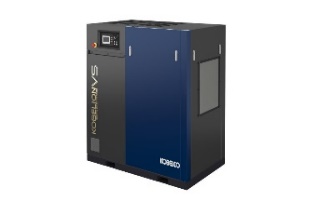
Rotary screw compressors are designed for more demanding, continuous use. They provide higher CFM and maintain steady pressure, making them ideal for industrial applications like manufacturing or automotive assembly. These compressors are built for long operational cycles, ensuring reliability and consistent air delivery over extended periods.
Centrifugal Compressors
Size Range: Large Scale (3000+ CFM)
Best For: Large industrial systems, refineries
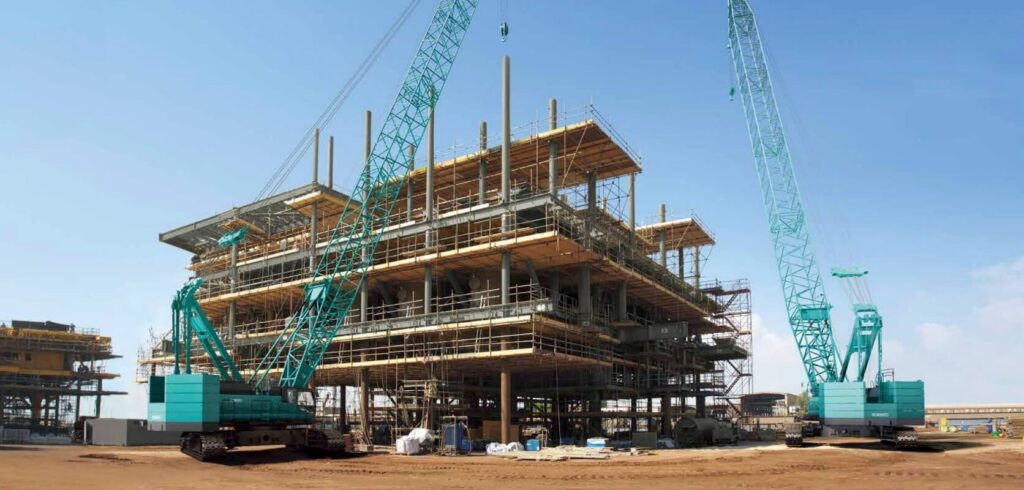
Centrifugal compressors are used in massive industrial systems where a high volume of air is required. These compressors typically provide 3000+ CFM and are found in applications like refineries, large-scale manufacturing, and chemical plants. Their ability to handle high air volumes makes them essential for high-demand industrial environments.
Industrial Air Compressor Sizes and Uses
The size of the air compressor you need depends largely on the industry and specific application. Here are some common sizes by industry:
- ・Auto Shops: However, if you are thinking about what size air compressor for automotive work? Then, small to medium compressors (5-20 CFM) handle tasks like operating impact wrenches, spray guns, and air tools.
- ・Food Packaging: Smaller compressors (5-10 CFM) often paired with air dryers ensure clean, dry air to meet hygiene standards.
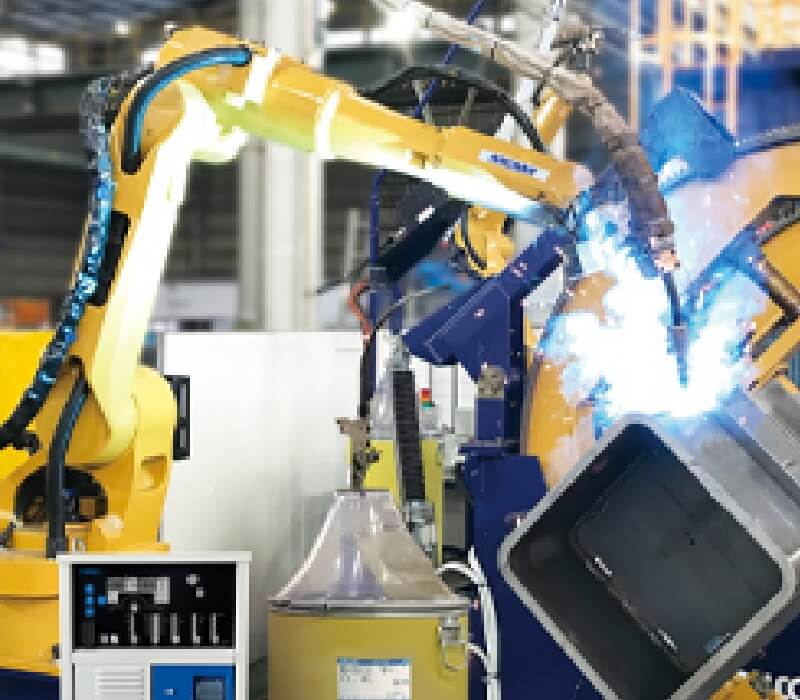
- ・Manufacturing: Larger compressors (20-200+ CFM) are used for continuous-duty tasks such as powering machinery and handling high-demand tools like grinders and drills.
When deciding on compressor size, consider whether the system will be installed indoors or outdoors. Outdoor installations often require larger systems due to space and environmental factors, while indoor installations might have stricter ventilation or noise considerations.
It’s also crucial to integrate the compressor with air dryers and storage tanks. These components help manage moisture and ensure a steady supply of air at the right pressure, improving tool performance and longevity.
Compressor Sizes and Capacities
Small-scale Compressors (1-5 CFM)
Ideal For: Light-duty tasks like airbrushing, inflating tires, or using small pneumatic tools like nail guns. These compact units are perfect for home workshops or DIY enthusiasts.
Medium-scale Compressors (6-20 CFM)
Ideal For: Medium-duty jobs like roofing, framing, or running paint sprayers. These compressors provide enough airflow for tools that require moderate power but aren’t used continuously.
Large-scale Compressors (20+ CFM)
Ideal For: Heavy-duty industrial tasks such as sandblasting, industrial painting, or powering large machinery. These compressors can handle multiple high-demand tools at once, making them suited for large workshops or manufacturing environments.
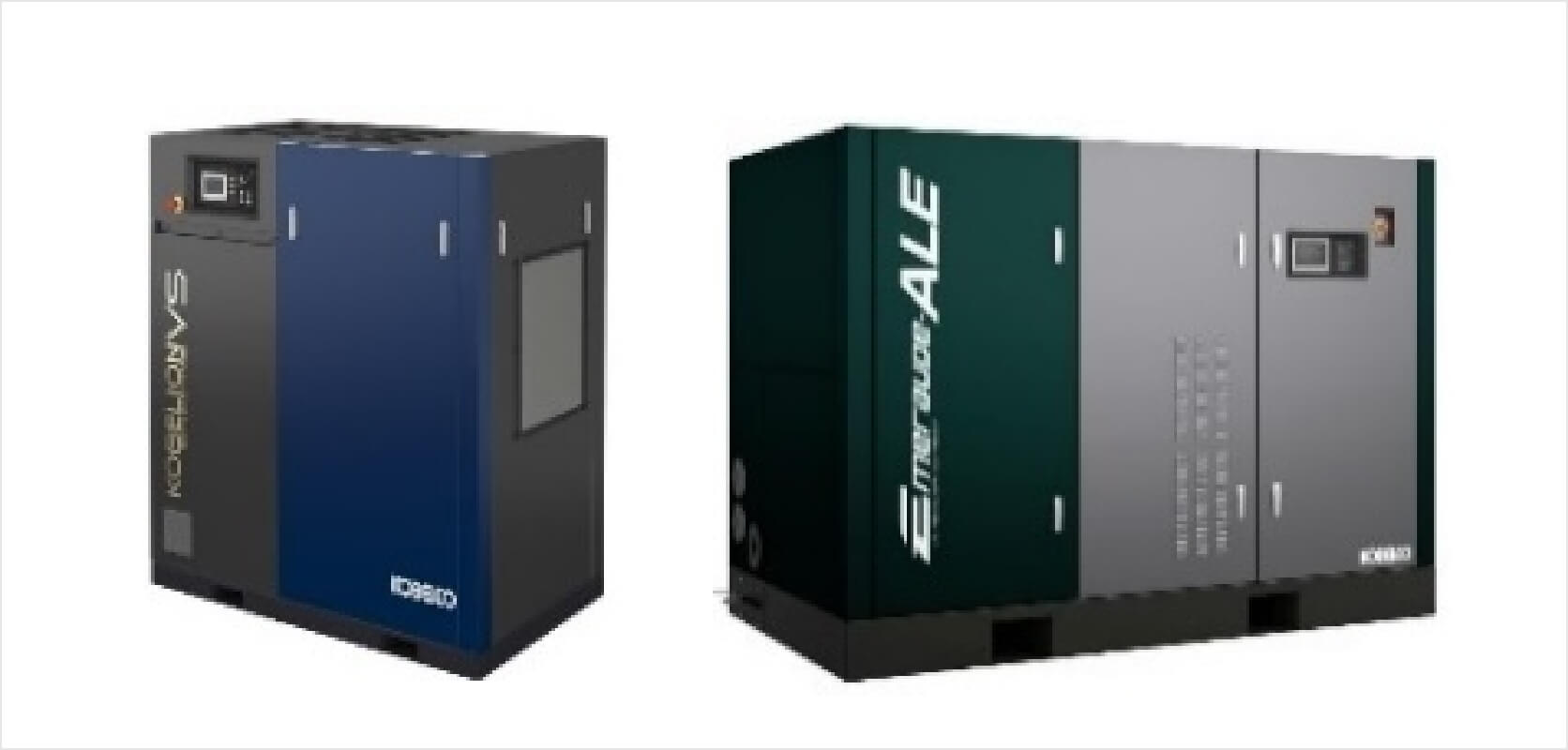
Why Choose KOBELCO for Your Air Compressor Needs?
KOBELCO is a global leader in air compressors, known for delivering reliable, energy-efficient, and durable solutions. With years of engineering expertise, KOBELCO compressors are designed to provide consistent performance, reducing downtime and operational costs.
Backed by a global network of service and support, you’ll always have access to expert maintenance, spare parts, and technical guidance when you need it.
From compact units for light-duty operations to large-scale industrial systems, KOBELCO offers tailored solutions to match your exact requirements. Trusted worldwide, our compressors empower businesses to achieve higher productivity, lower costs, and sustainable growth.
So, are you ready to upgrade your operations? Choose KOBELCO for dependable, high-performance air compressor solutions.
FAQs
1. How do I determine what size air compressor I need?
To choose the right air compressor, calculate the total CFM needed for simultaneous tools, adding a 25-30% buffer for leaks and future needs. Ensure the compressor’s MPa and CFM exceed your tools’ requirements, then select the smallest model that meets these specifications, considering the duty cycle (continuous or intermittent) and tank size for efficient operation.
2. What is the size of the air compressor market?
The global air compressor market was valued at around USD 26.57 billion in 2024 and is expected to reach USD 40.15 billion by 2033, growing at a compound annual growth rate (CAGR) of 4.7% from 2025 to 2033. This growth is fueled by rising demand for energy-efficient compressors, technological innovations, and the increasing adoption of industrial automation in industries such as manufacturing, chemicals, and food and beverage.