







2025.11.14
Industry Trends
Compressor Energy Consumption: Calculation, Cost, and Air Compressor Efficiency
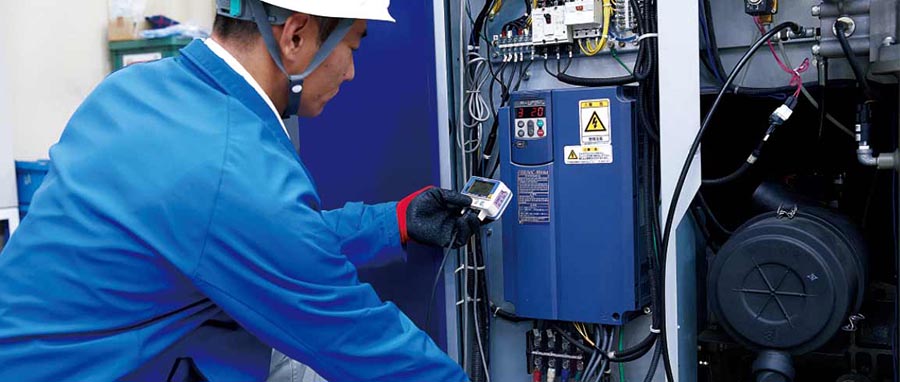
Compressor energy consumption is one of the most overlooked but critical aspects of operating an air compressor. For businesses and individuals alike, the cost of compressed air goes far beyond the purchase price of the unit itself, most of the lifetime expense comes from electricity. In fact, studies show that energy costs can account for more than 70% of the total ownership cost of an air compressor over its lifespan. This is why understanding air compressor efficiency, energy use, and ways to optimize performance is so important.
In this guide, we will break down compressor energy consumption in simple, practical terms so that anyone, from a home DIY user running a small 10-gallon portable compressor to an industrial plant engineer managing multi-unit compressed air systems, can clearly understand where the electricity goes and how to reduce it. You will learn the difference between input power and useful air power, why tank size is not the same as power draw, and how common efficiency losses, such as heat, leaks, and poor controls, drive up your energy bills.
So, let’s get in!
What Is Compressor Energy Consumption?
Compressor energy consumption is the amount of electricity an air compressor uses to make compressed air. In other words, it’s how many kilowatt-hours (kWh) of power the machine takes from the wall outlet or electrical panel while it is running. You can figure this out by knowing two things: the input power (in kilowatts, or kW) and the number of hours the compressor runs.
Why does this matter? Because your electricity bill is based on the energy drawn from the wall, not just the useful air you get out of the compressor. A lot of energy is lost along the way, in the motor, the drive system, the pump, cooling fans, and controls. This means the real electricity use is often higher than you might expect if you only think about “air power.”
For example, if a small compressor pulls about 1.3 kW from the outlet and runs for 2 hours, it will consume around 2.6 kWh of electricity. Even though the machine is working to create compressed air, not all of that 2.6 kWh shows up as usable air because of the energy lost as heat and friction.
In short, compressor energy consumption is the actual electricity that leaves your wallet every time the machine runs. Knowing how to measure it helps you understand your true costs and shows where efficiency improvements can save you money.
Key Terms and Conversions
To understand compressor energy consumption, it helps to know a few basic terms and how to convert between them. Using the right units makes sure you don’t overestimate or underestimate your electricity costs.
- ・Watts (W): This is a unit of power. You can calculate it by multiplying volts × amps × power factor.
- ・Kilowatts (kW): 1,000 watts equals 1 kilowatt. Compressors are usually rated in kW or horsepower.
- ・Kilowatt-hours (kWh): This is the amount of energy you are billed for. You calculate it by multiplying watts × hours, then dividing by 1,000.
- ・Horsepower (HP): Another way to measure motor size. 1 HP equals about 0.746 kW, but that’s before adding efficiency losses.
Here’s a simple example: If your compressor runs on 120 volts and pulls 12 amps with a power factor of 0.9, then:
120 V × 12 A × 0.9 = 1,296 W (about 1.3 kW).
If you run it for 1.5 hours, then:
1,296 W × 1.5 h ÷ 1,000 = ~1.94 kWh.
That 1.94 kWh is what shows up on your power bill. By knowing how to convert correctly, you can estimate energy use for any compressor, no matter the size.
Input vs. Useful Air Power (Efficiency and Losses)
When you plug in an air compressor, the electricity that goes in (input power) is not the same as the useful compressed air you get out. This is because some of the energy is lost along the way.
Losses happen in many places:
- ・Motor losses: Not all the electricity turns into rotation—some is wasted as heat.
- ・Mechanical losses: Friction in bearings and moving parts eats up power.
- ・Heat losses: Compressing air naturally creates heat, and most of it is wasted unless you recover it.
- ・Leaks and pressure drops: Air escaping from pipes or pushing through clogged filters means the compressor works harder for the same result.
Because of these losses, the useful “air power” is always less than the electrical power you put in. For example, a compressor might draw 200 kW of electricity but, possibly, only deliver about 150 kW worth of useful compressed air.
The good news is that once you understand where the losses happen, you can take steps to reduce them. Fixing leaks, lowering pressure, or cleaning filters won’t change the motor size, but they will make sure more of your input power is turned into useful output. That means lower electricity bills for the same amount of air.
What Actually Decides Power Draw
The real air compressor energy consumption depends on:
- ・Motor horsepower (HP): A bigger motor usually needs more electricity.
- ・Voltage and amps: Higher voltage and current mean more watts are used.
- ・Power factor (PF): This measures how effectively electricity is used.
- ・Control type: On/off cycling vs. variable speed drive (VSD) changes how efficiently power is used.
For example, two compressors with the same 10-gallon tank can be very different. One may draw about 0.9 kW, while another may draw 1.6 kW. The tank size is identical, but the motor power consumption is not.
Why This Matters for Efficiency and Safety
Confusing air volume (CFM) with watts can lead to mistakes when choosing extension cords, circuit breakers, or power inverters. If the circuit or inverter is too small, it may overheat or trip. Always check the motor plate or manual for amps, volts, and horsepower when estimating air compressor efficiency and energy use.
How Much Electricity Does an Air Compressor Use?
The amount of electricity an air compressor uses depends on its size, type, and how you operate it. Small portable compressors may use less than 1 kW, while large industrial units can consume thousands of kW.
Understanding the typical ranges and the main factors that affect air compressor energy consumption helps you predict costs and avoid surprises on your power bill.
Typical Ranges by Class
Different types of compressors have very different power demands. Here are common ranges:
- ・Small portable compressors: Usually between 0.8 – 1.6 kW when running.
- ・Workshop or shop compressors: Often in the range of 1.5 – 37 kW.
- ・Industrial screw compressors: Start around 5 kW and can climb into the thousands of kW.
For example, a small 120 V compressor (about 1 HP) might draw 900–1,200 W, while a 20 HP rotary screw compressor may use 15–18 kW.
What Drives Compressor Energy Consumption
Several factors influence how much energy your compressor actually uses:
- ・PSI (MPa, bar): Higher discharge pressure requires more power. Even raising pressure by 1 bar (about 0.1 MPa) noticeably increases energy use.
- ・CFM (airflow): More airflow = higher power demand.
- ・Maintenance: Dirty filters, clogged coolers, or leaks force the compressor to work harder.
- ・Ambient conditions: Hot, humid, or dusty environments reduce efficiency and raise energy consumption.
Example: Simply replacing a clogged intake filter can lower the input power by several percent immediately.
Industrial View — System-Level Compressor Energy Consumption
In industrial settings, it’s not just the compressor itself that matters. The entire compressed air system, including supply, storage, distribution, and demand, affects total energy consumption.
In fact, most wasted energy in plants comes from outside the compressor, through leaks, poor controls, and pressure losses. Treating the system as a whole is the key to achieving high air compressor efficiency and reducing electricity costs.
Baseline and KPIs (Specific Energy Consumption)
The best way to measure efficiency is by tracking Specific Energy Consumption (SEC). This is the amount of electricity (kWh) needed to produce a certain volume of compressed air. Common units are:
- ・kWh per cubic meter (kWh/m³)
- ・kWh per 1,000 standard cubic feet (kWh/1,000 scf)
By setting a baseline and tracking this KPI, plants can see how efficient their systems are and whether changes lead to improvements.
Example: After fixing leaks and lowering pressure setpoints, a plant may improve from 0.13 kWh/m³ to 0.11 kWh/m³.
Biggest Levers: Leaks, Setpoints, and Pressure Drop
The largest and easiest savings usually come from:
- ・Leaks: Even a 20% leak rate is common in plants. Fixing leaks frees capacity and cuts energy use immediately.
- ・Setpoint reduction: Lowering discharge pressure reduces power consumption across the entire system.
- ・Pressure drop: Oversized filters, small piping, or clogged components cause unnecessary losses.
Example: Reducing leak rates from 20% to below 5% can save tens of thousands of kWh per year.
Controls Strategy: Load/Unload, VSD, and Sequencing
How compressors are controlled makes a big difference in energy efficiency:
- ・Load/unload control: Simple, but often wastes energy in idle time.
- ・Variable Speed Drive (VSD): Adjusts motor speed to match demand, reducing wasted electricity.
- ・Multi-unit sequencing: Running a base-load compressor at high efficiency, with a VSD trim unit, ensures supply matches demand without short cycling.
Heat Recovery and Right-Sizing
Compressors generate a lot of heat—up to 90% of input energy becomes heat. Instead of wasting it, plants can recover this heat for space heating, water preheating, or process support.
- ・Heat recovery: Reuse compressor heat to lower HVAC or boiler energy bills.
- ・Right-sizing: Oversized compressors waste energy. Matching compressor size to actual demand avoids unnecessary kWh consumption.
Measurement and Verification
To keep efficiency gains long-term, plants need to measure both the electrical side and the air side:
- ・Electrical: Track amps, volts, and power factor to see actual kWh.
- ・Air side: Monitor pressure, flow, and dew point to spot inefficiencies.
For example, a week of monitoring might show compressors running idle at night—an easy fix with automatic shutdowns.
How to Improve Air Compressor Efficiency (and Reduce Energy Consumption)
Improving air compressor efficiency doesn’t always require expensive new equipment. Many savings come from small adjustments, maintenance, and smarter system control.
By tackling quick wins first, then moving to advanced upgrades, you can cut compressor energy consumption by 20–30% or more while keeping the same airflow and pressure.
Quick Wins You Can Do Now
Some actions deliver immediate savings with little to no investment:
- ・Lower discharge pressure: Reduce the pressure setpoint to the minimum needed. Every 1 bar (0.1 MPa) reduction can cut energy use by up to 7%.
- ・Fix leaks: Air leaks are often the single biggest source of wasted energy in a system.
- ・Replace clogged filters: Dirty filters cause higher pressure drops, making the compressor work harder.
- ・Drain condensate properly: Automatic drains prevent moisture buildup without wasting compressed air.
Controls and Storage Tuning
Smart controls and proper storage help keep the compressor running in its most efficient zone:
- ・Variable Speed Drive (VSD): Matches compressor speed to demand, reducing wasted idle time.
- ・Auto-shutdown timers: Stop the compressor from running when no air is needed.
- ・Adequate storage tanks: Larger receiver tanks reduce start/stop cycles and smooth pressure.
Distribution and Demand-Side Improvements
The efficiency of the compressed air system depends not just on the compressor, but also on how air is delivered and used:
- ・Larger piping: Reduces friction and pressure drop across the system.
- ・Remove restrictions: Eliminate undersized hoses, valves, or fittings that cause unnecessary pressure losses.
- ・Use efficient nozzles: Replace open blow-offs with engineered nozzles or alternative tools like electric blowers.
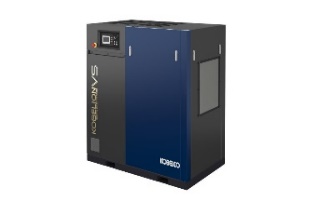
Why Opt for Kobelco Standard Compressors
Looking to boost your air compressor efficiency and slash energy consumption? Kobelco’s Standard Compressor offering is the ideal solution. Backed by years of engineering excellence, Kobelco delivers reliable compressors paired with smart services. Our energy audit service provides:
- ・No production interruptions, audit anytime without stopping your operations
- ・Data-driven insights, benefit from simulation & recommendations based on actual usage
- ・Universal applicability, works with any brand of compressed air system
Whether you run a workshop, operate a manufacturing line, or manage an entire compressed air network, Kobelco’s Standard Compressors and our energy audit service help you maximize compressed air system efficiency and reduce your electricity bills, without downtime.
FAQs: Compressor Energy Consumption Made Simple
1. How much electricity does an air compressor use?
Check the motor’s power in kW (or watts using volts × amps × power factor) and multiply by run hours. For example, 1.3 kW × 2 h = 2.6 kWh.
2. How do I calculate air compressor energy consumption?
Use this formula:
kWh = (Volts × Amps × Power Factor × hours) ÷ 1,000.
Convert this to cost with your electricity rate.
3. What are the biggest energy-saving opportunities?
Start with quick wins:
- ・Lower the pressure setpoint (e.g., 1 bar can cut electricity by ~7%)
- ・Fix leaks
- ・Clean or replace filters
Then move to smarter controls (like VSD), larger storage, and heat recovery.